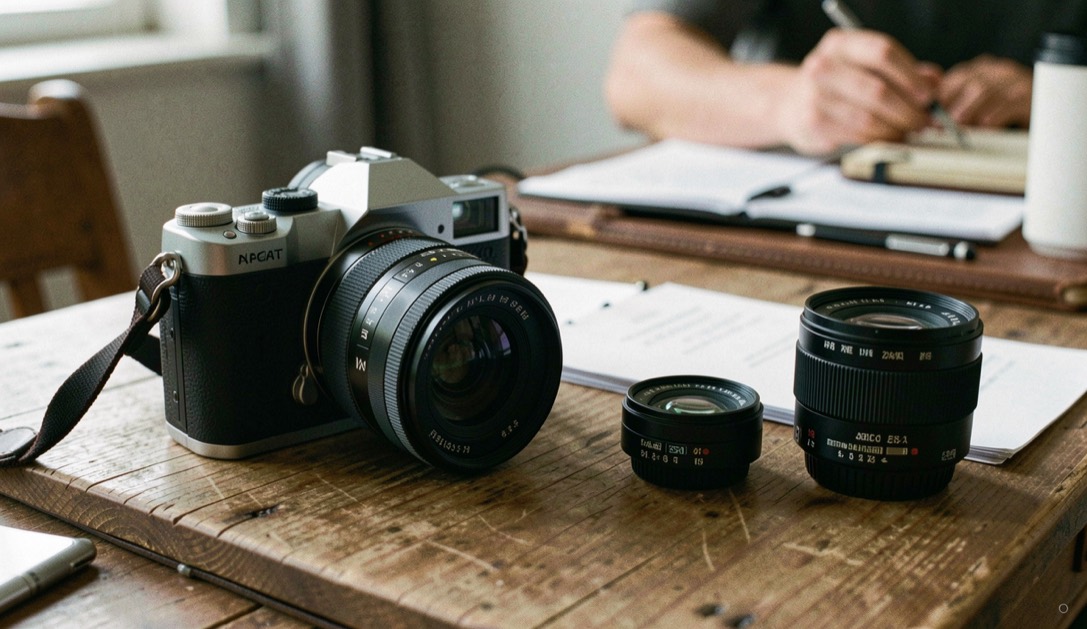
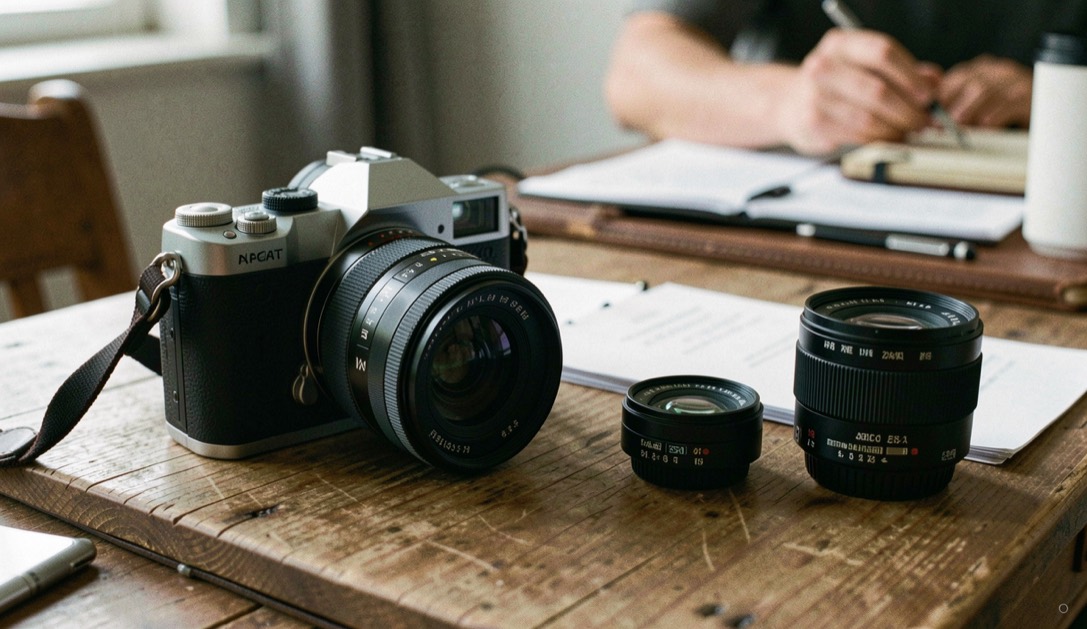
Choose camera packages for narrative production budgets
A grounded camera package checklist for matching sensor, lenses, media and support to a story.
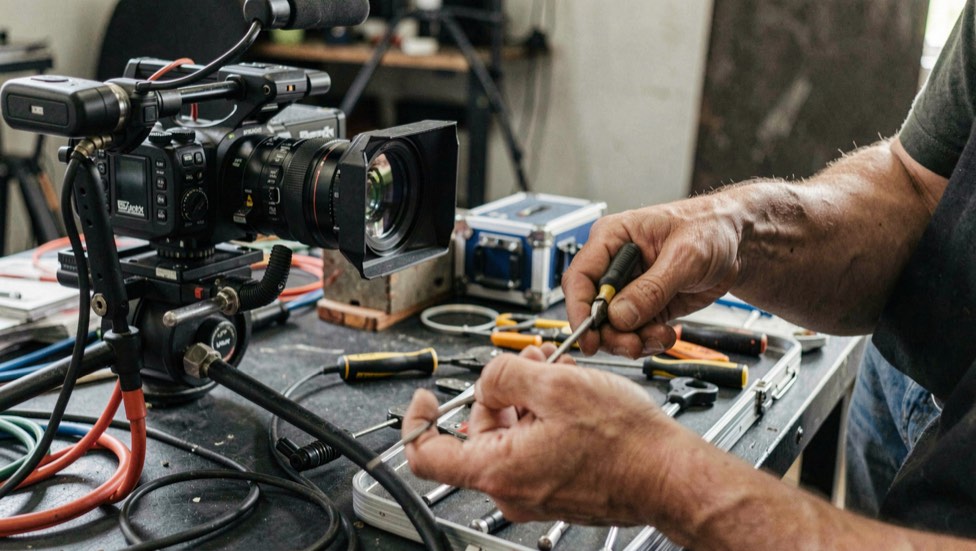
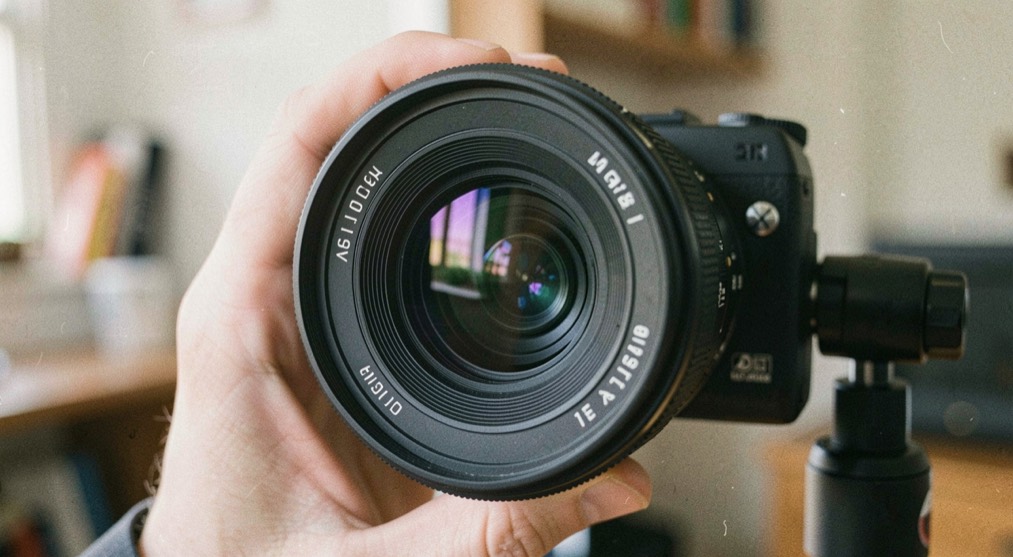
A camera package earns its place when it protects the story and the day around it. The right question is not which body has the longest feature list. It is which combination lets the team frame, move, record and back up without creating a new problem at every setup.
01
Start with the story's movement
List the scenes that ask the camera to travel, wait, observe or stay close. That list tells you more about support and power than a comparison chart does. A compact package can be the more capable choice when a location has stairs, narrow rooms or a short reset window.
02
Choose lenses as a working set
A small lens set should cover the changes in distance and feeling the script actually contains. Note the closest focus, flare behaviour and the time it takes to swap. Familiarity is a production advantage: the team spends less of the day rediscovering the kit.
03
Plan media before picture
Decide how cards move from camera to verified copy, who owns each handoff and where the record lives during the day. Media planning is part of the camera package because a beautiful image is not useful if the team cannot account for its copies.
04
Carry the note into the next day
The value of a production note is its second use. Keep the decision, the reason for it and the signal that would make you change it. That short record gives the next person a way to repeat the useful part without repeating every mistake.